Digital Rights & Accountability for Inclusive Democracy
As Bangladesh rapidly transitions toward a digital society with government services, educational portals, and civic participation platforms moving online, persons with disabilities face critical new barriers of exclusion. The vast majority of national digital platforms remain non-compliant with international WCAG (Web Content Accessibility Guidelines) standards, unintentionally shutting out citizens with visual, auditory, physical, and cognitive disabilities from essential digital services and civic discussions.
Implemented as an active, evidence-led civic initiative by Songjog Foundation, this project transforms youth with disabilities from passive users into informed, resilient ‘Digital Watchdogs.’ Through intensive accessibility auditing bootcamps, localized digital safety training, and multi-stakeholder advocacy, youth leaders directly evaluate e-governance platforms, generate verifiable Report Cards, and collaborate with duty-bearers (including a2i and the ICT Division) to build an equitable, accessible digital democracy.
Youth Accessibility Auditors (50% Women)
Platform Accessibility Report Cards
Citizens & Youth Engaged Nationwide
From Charity to Rights-Based Digital Inclusion
In the modern digital era, accessible technology is not an optional welfare service — it is a non-negotiable constitutional right. When e-governance and civic platforms are built without accessibility, citizens with disabilities are effectively disenfranchised. Our vision is to secure a permanent seat at the digital design table for youth with disabilities, shifting the national discourse from charitable goodwill to binding legal accountability and universal design.
- Empowerment & Agency: Equipping 30 youth with cross-sectional disabilities with technical WCAG 2.2 skills and encrypted digital safety tools.
- Evidence-Led Policy Reform: Producing 10 public Report Cards to translate lived user experiences into actionable policy roadmaps for duty-bearers.
Key Strategic Pillars & Activities
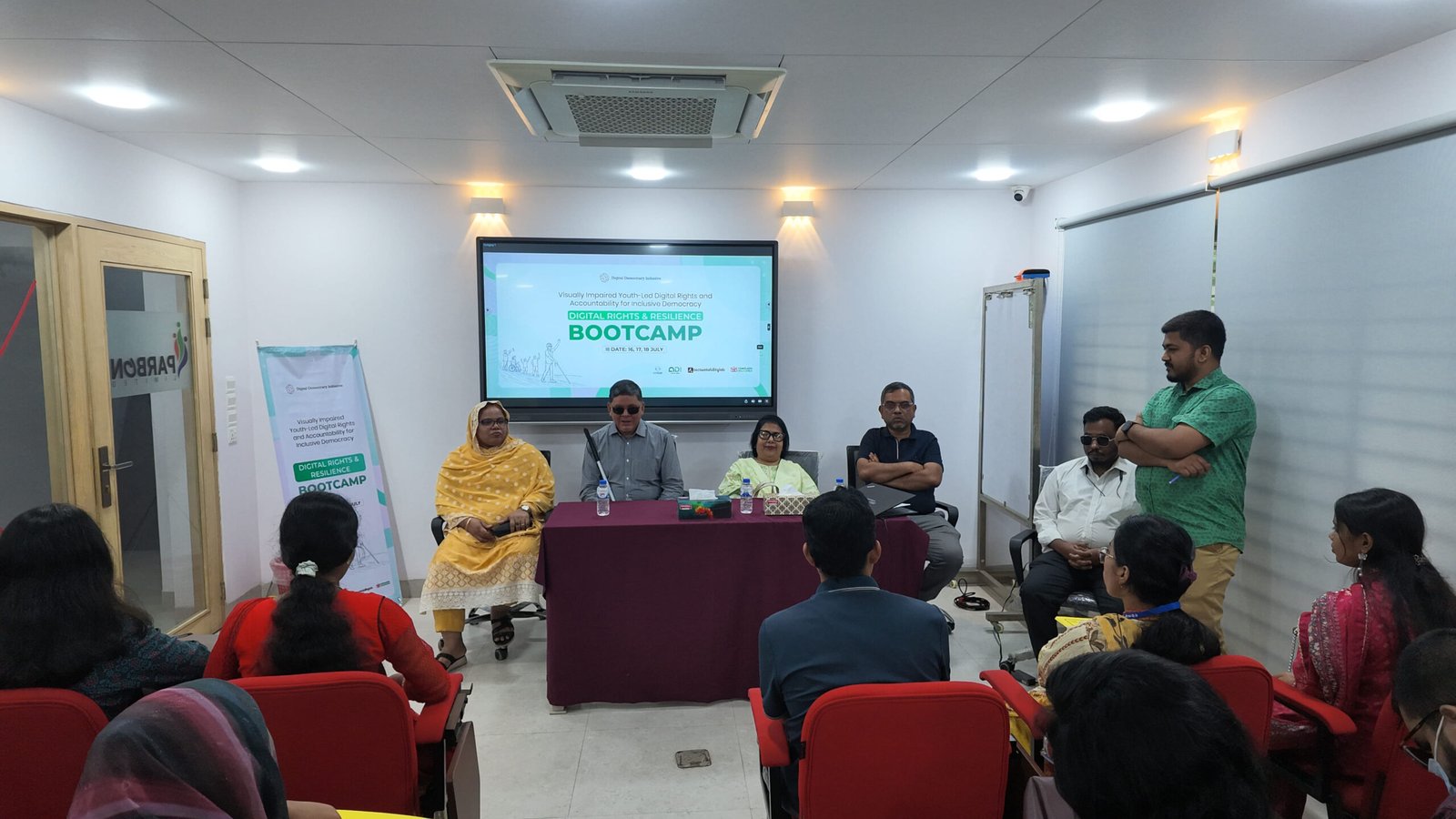
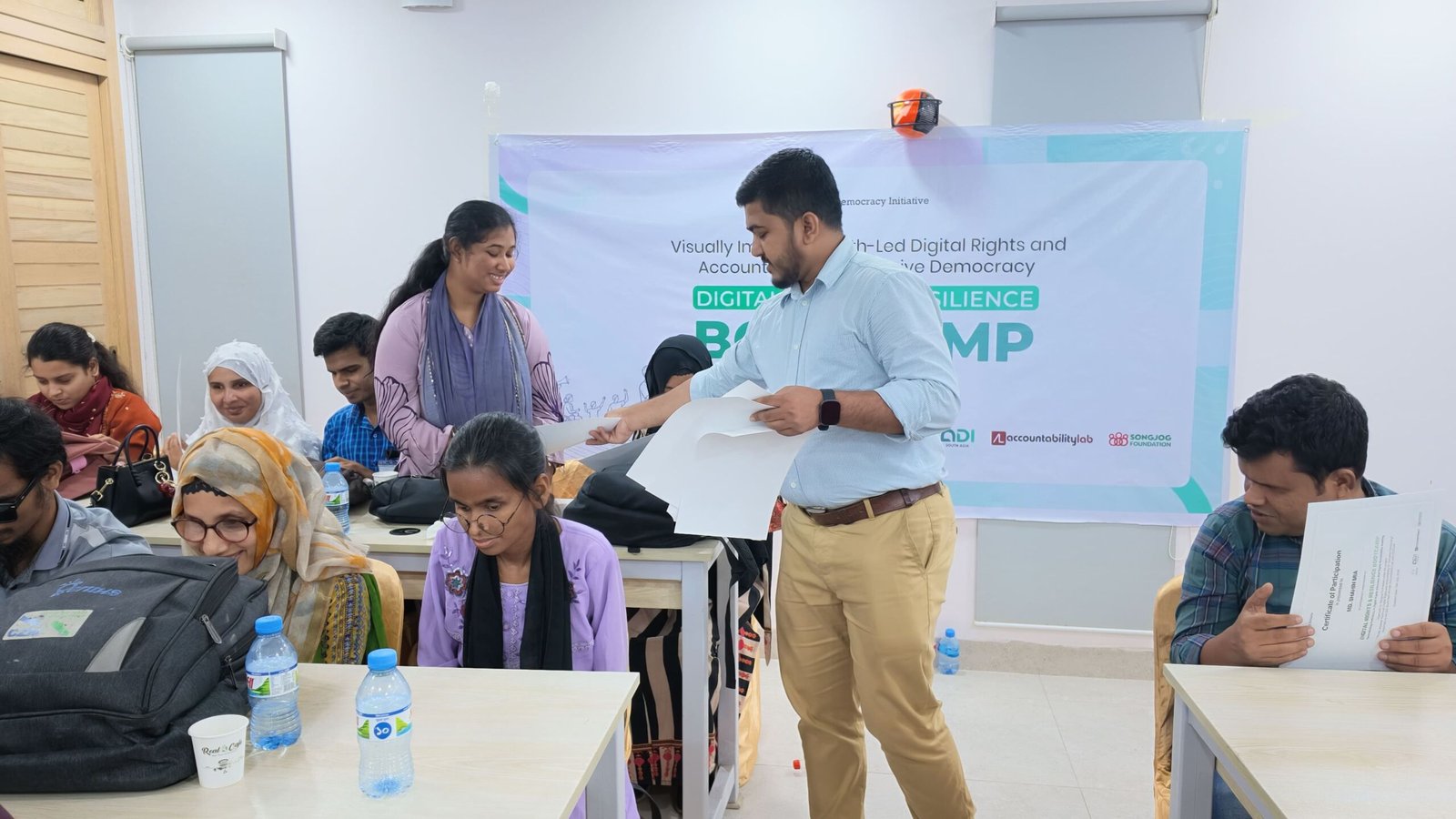
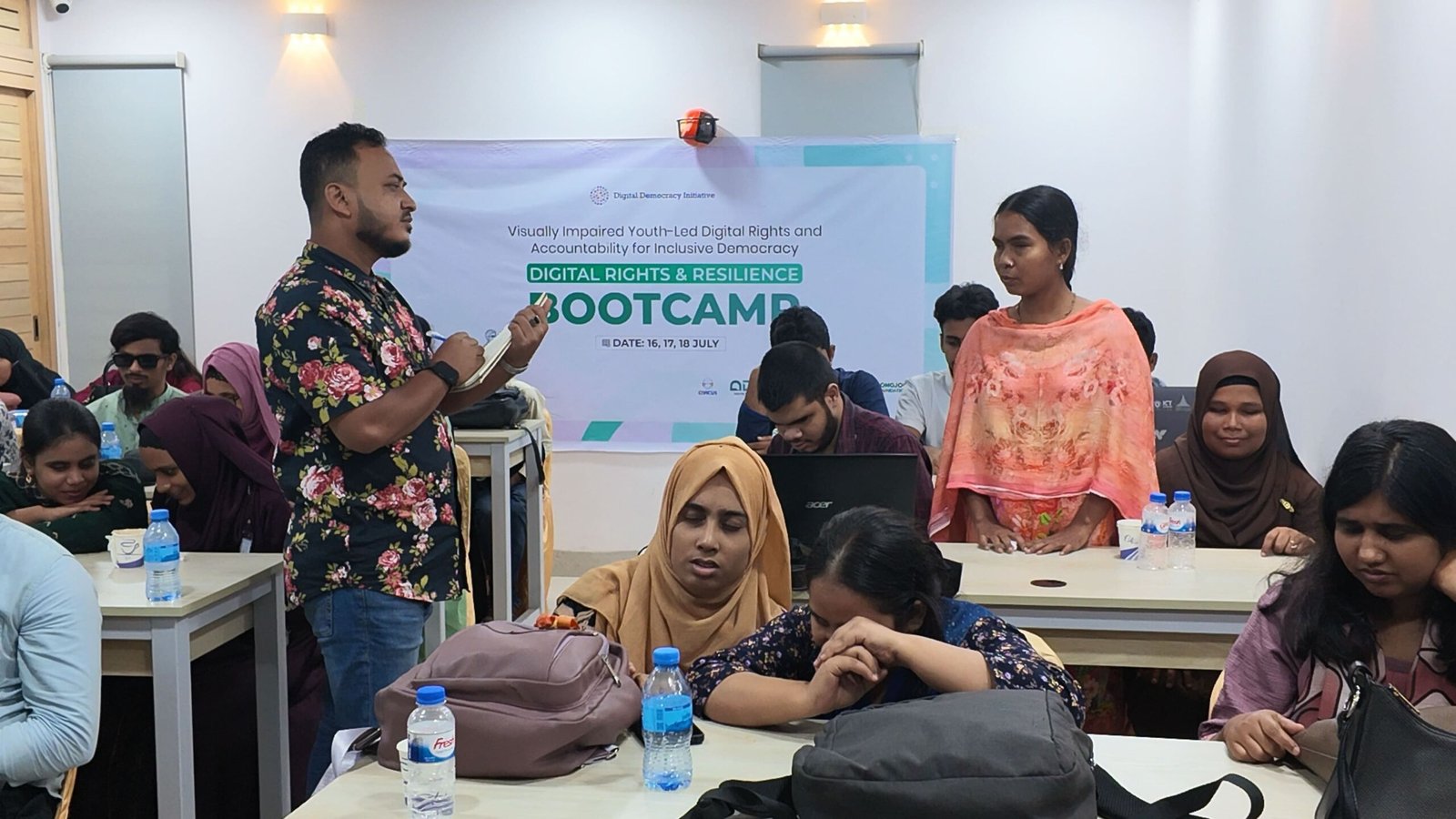
Digital Rights & Resilience Bootcamp
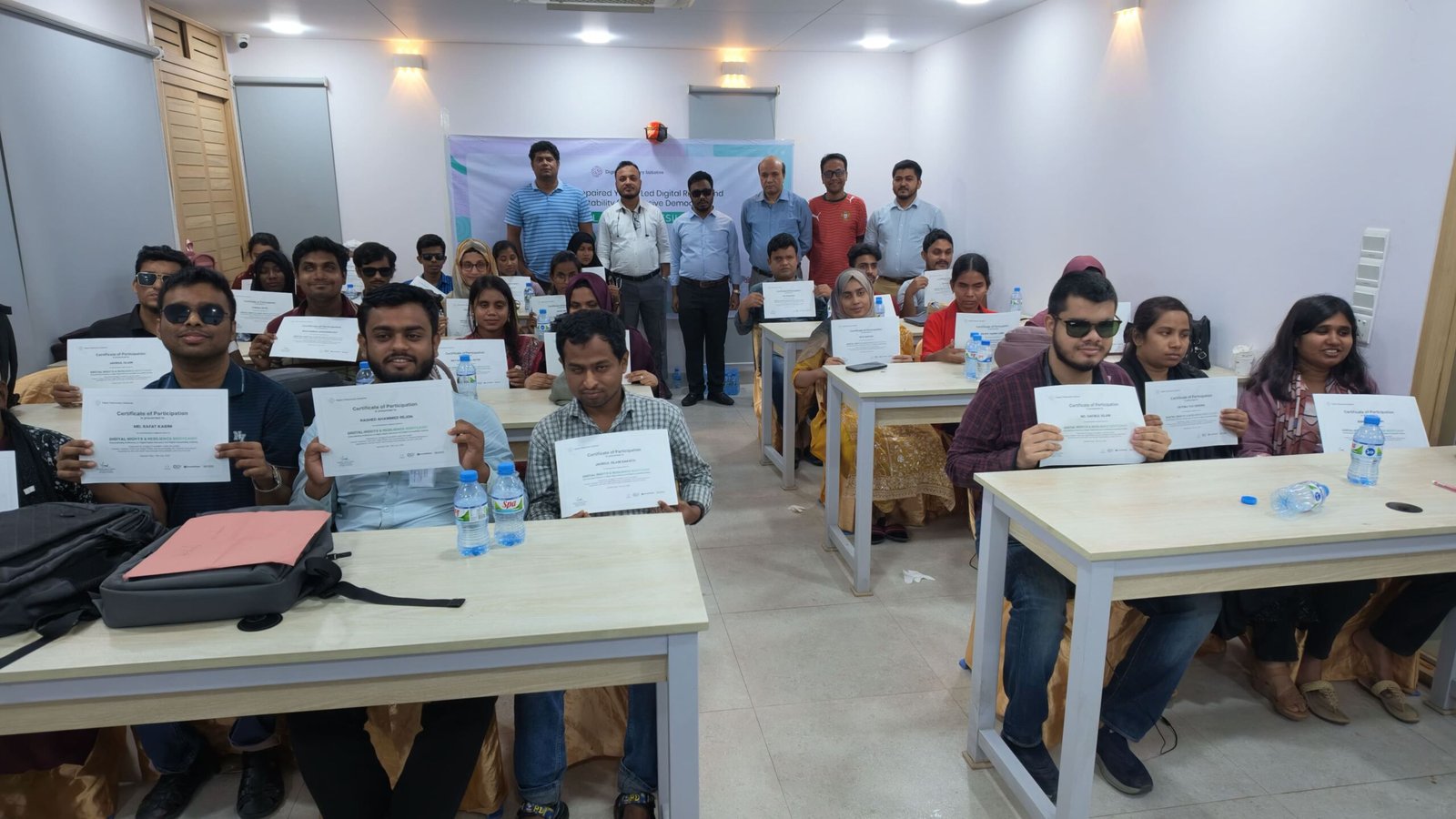
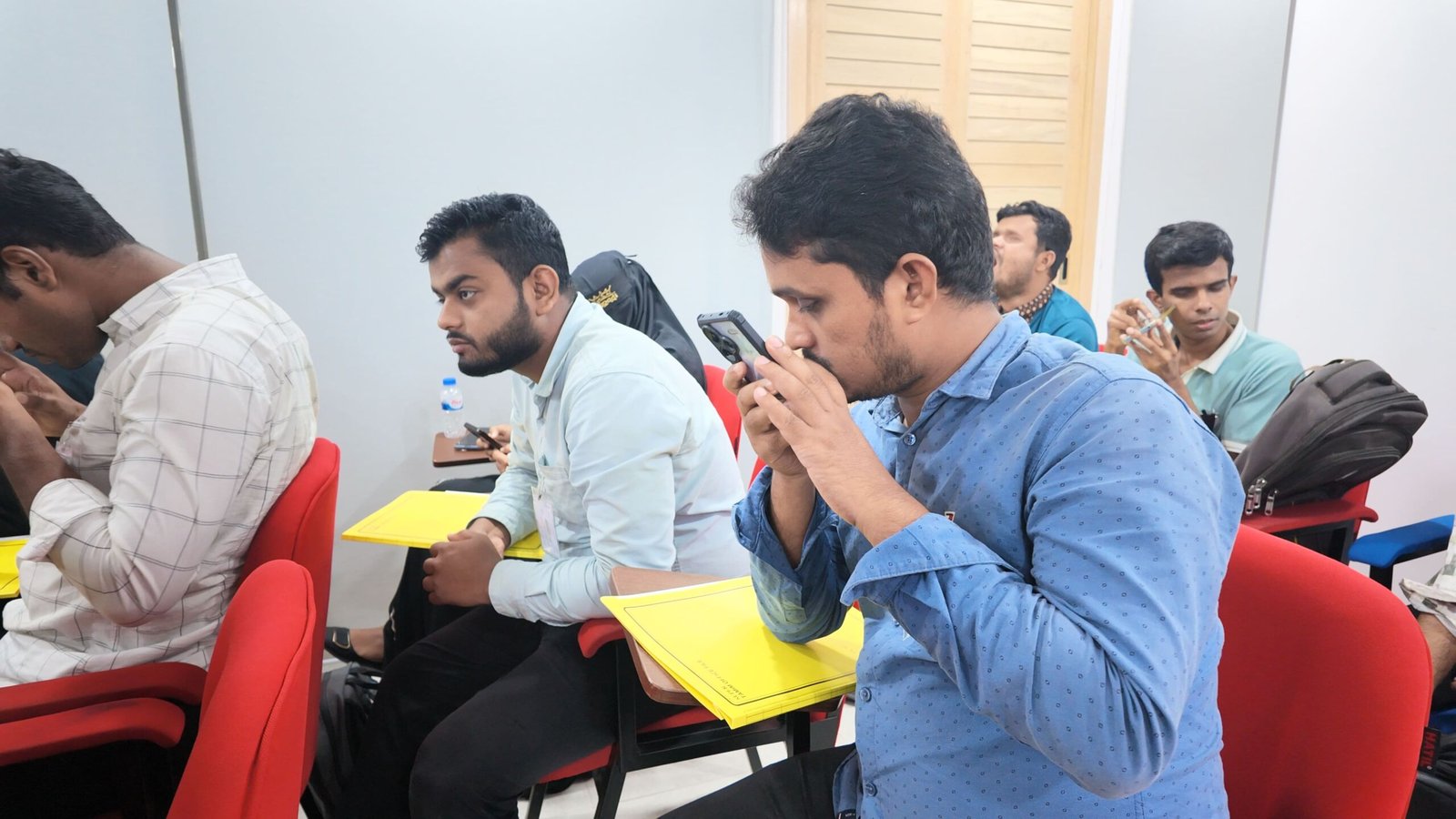
A 3-day intensive capacity-building bootcamp training 30 youth with disabilities (50% young women) on WCAG 2.2 standards, Bangladesh ICT legal frameworks, and threat-modeled digital safety to build active watchdog capabilities.
Accessibility Audits & Report Cards
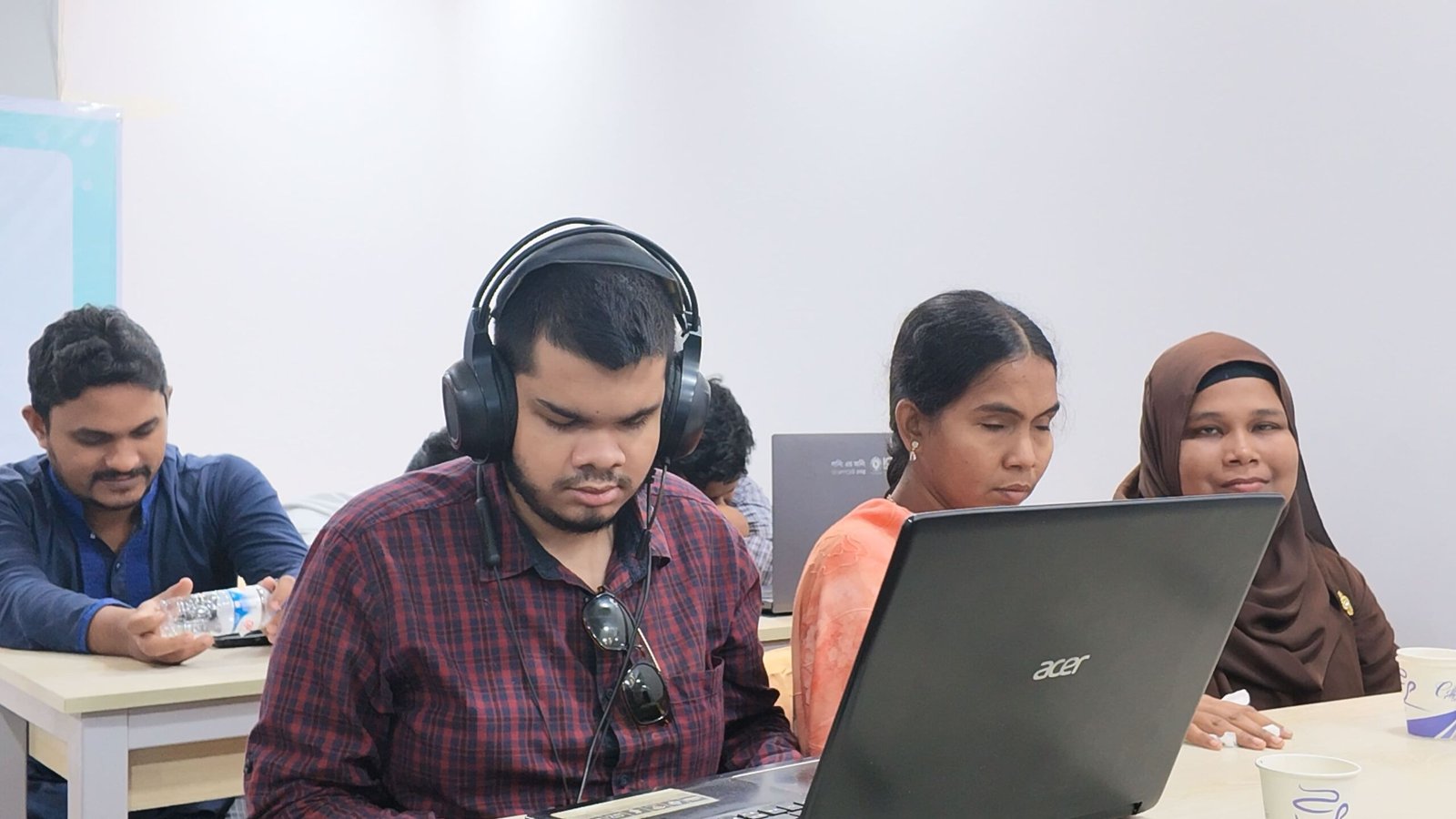
Conducting rigorous mixed-methods accessibility testing combining automated code audits with qualitative user journeys across 10 key national e-governance platforms to generate public, evidence-based Report Cards.
National Survey & Policy Dialogue
Surveying 200+ persons with disabilities on digital exclusion, authoring a comprehensive Policy Brief titled ‘A Rights-Based Framework for Inclusive E-Governance’, and convening high-level dialogue with policymakers.
Permanent Youth Accessibility Taskforce
Establishing a permanent, self-sustaining Taskforce of 10-15 core youth leaders equipped with a Sustainability Toolkit, podcast channels, and audit roadmaps for continuous quarterly oversight of public portal launches.
Measurable Outcomes & Systemic Change
Following a robust Outcome Harvesting methodology, the project captures qualitative and systemic shifts across individual agency, technical evidence, policy commitments, and institutionalized governance — ensuring digital accessibility is recognized as a fundamental democratic right.
Youth Agency & Resilience
Youth with disabilities transition from passive users into active 'Digital Watchdogs', equipped to audit WCAG standards and safely navigate civic spaces.
Evidence-Based Accountability
Establishes Bangladesh's first youth-led technical baseline of digital exclusion, replacing anecdotal complaints with verifiable data that compels reform.
Rights-Based Policy Shifts
Pivots the national discourse from charitable welfare to enforceable rights, securing formal commitments from duty-bearers (a2i, ICT Division) for inclusive design.
Institutionalized Oversight
Creates permanent citizen-led oversight through a formalized Youth Accessibility Taskforce, ensuring continuous monitoring beyond the project cycle.
Collaborative Governance & Duty-Bearer Engagement
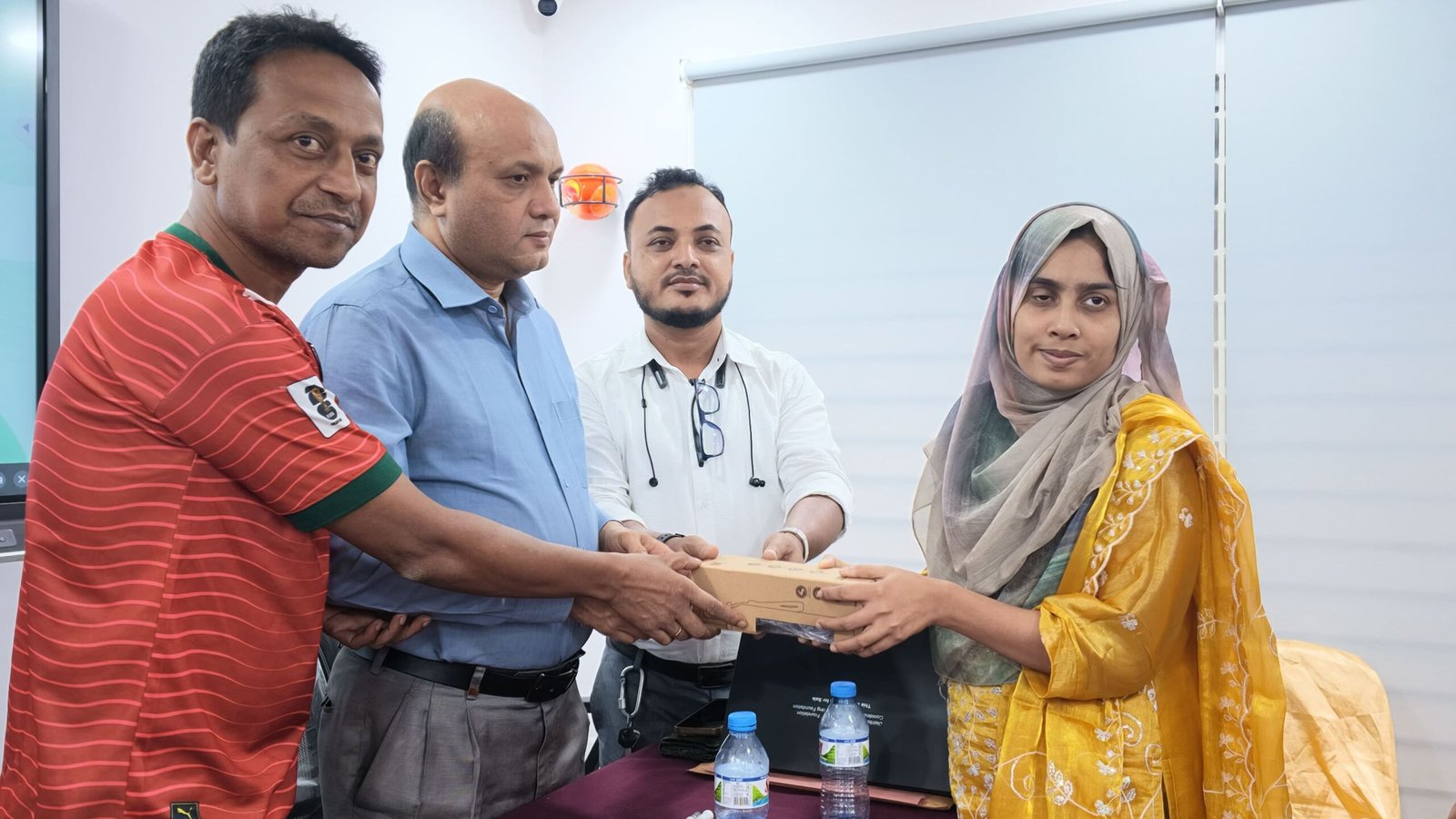
Supported through the Digital Democracy Initiative (DDI) and Accountability Lab, Songjog Foundation connects grassroots youth leaders directly with key government duty-bearers (including a2i and the ICT Division), national Organizations of Persons with Disabilities (OPDs), and civil society partners to secure binding commitments for WCAG-compliant digital infrastructure.


Inclusion & Digital Rights in Action
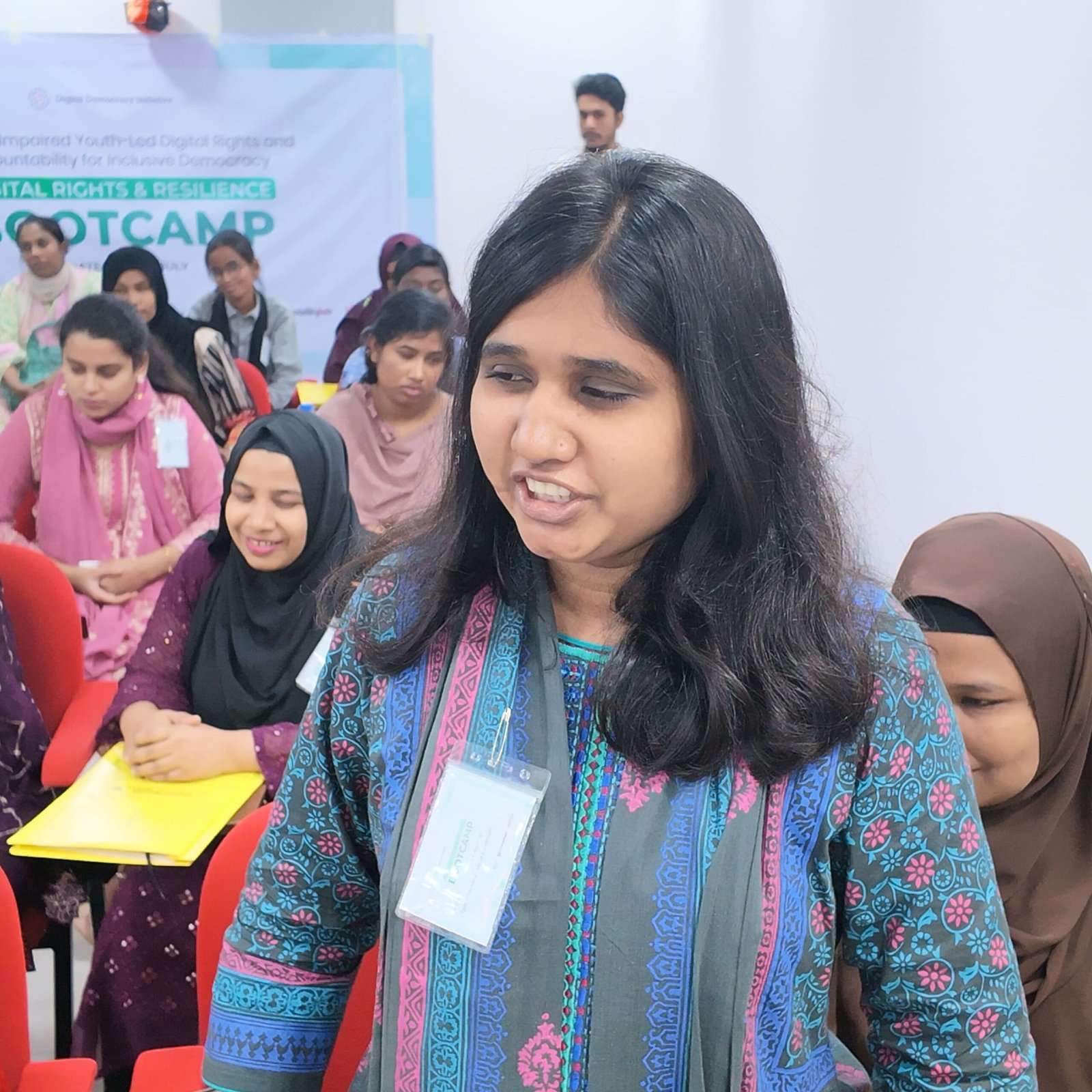
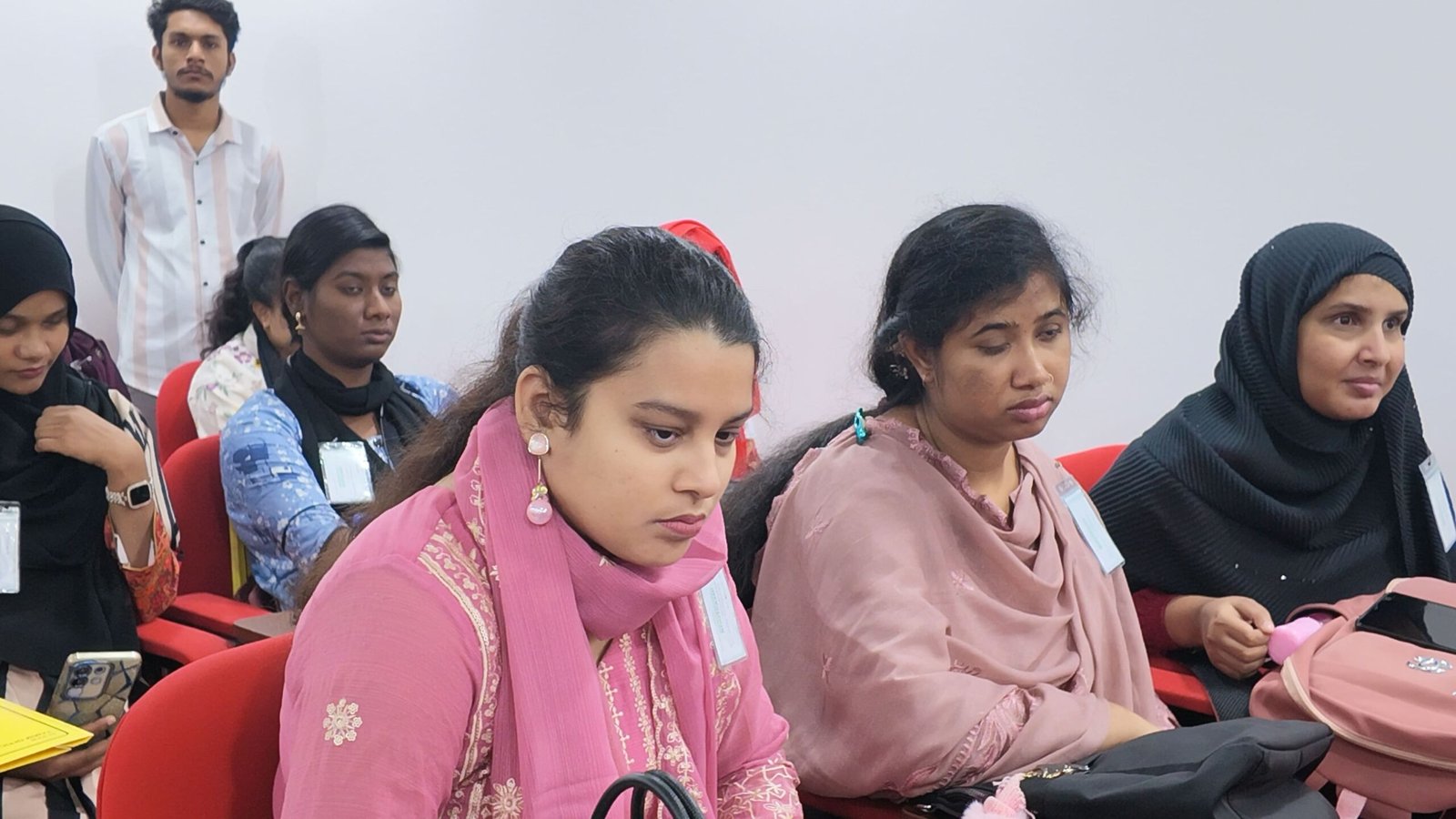
Highlights from hands-on digital accessibility auditing sessions, youth capacity bootcamps, and multi-stakeholder governance dialogues across Bangladesh.